February 2, 2026

Heptafluoropropane fire extinguishing system has become the preferred fire protection solution for high-value places such as data centers, communication rooms, archives, and power facilities due to its high-efficiency fire extinguishing, clean and residue-free, and environmental protection and safety characteristics. In practical applications, it is mainly divided into two types: pipe network type and cabinet type, and the core of its selection lies in the accurate analysis of project scenarios and requirements.
1. Core selection basis: insight into system characteristics and scene matching
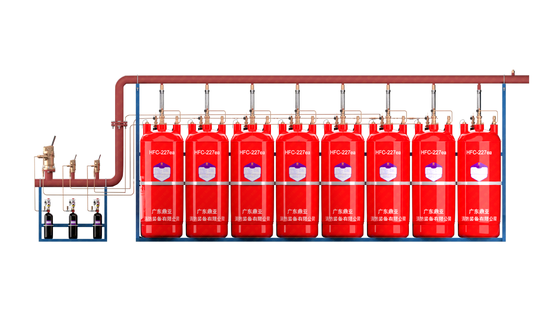
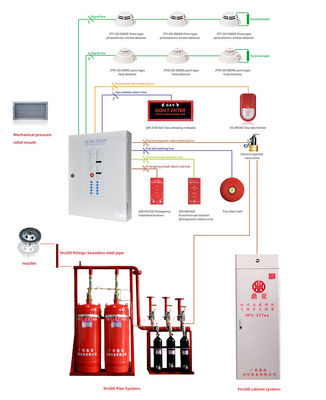
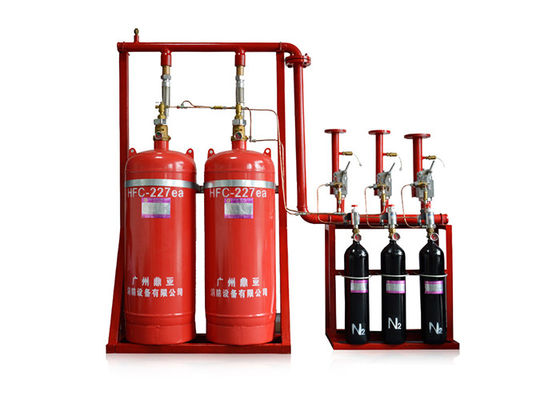
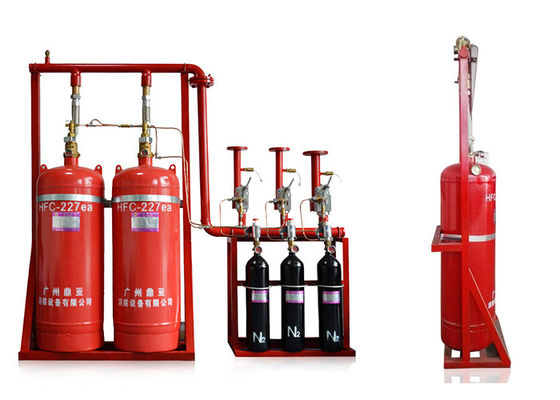
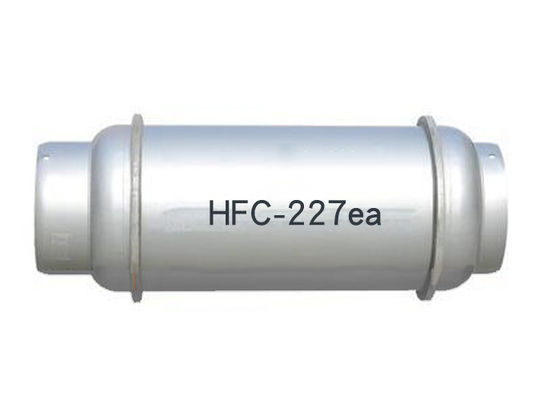
Pipe network heptafluoropropane system is like the "fire protection system" of a building. It transports the fire extinguishing agent stored between special steel cylinders to each protective area through the pre-laid pipe network. It is characterized by being suitable for large space and multi-partition protection (such as large data centers and workshops), and can realize centralized control and unified management. The system pipeline is installed concealedly, does not occupy indoor space, and is beautiful and tidy. However, the installation project is relatively complicated, and the pipeline needs to be planned in advance. The flexibility of later transformation is low, and the maintenance needs to pay attention to the sealing of the pipeline network.
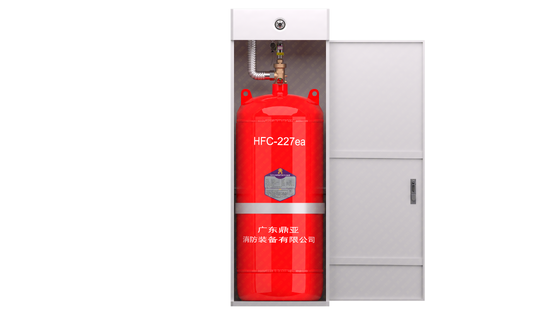
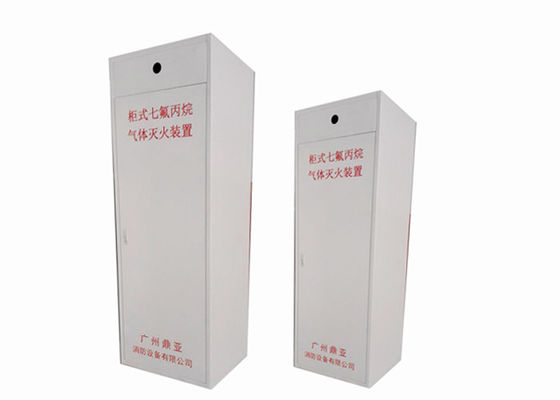
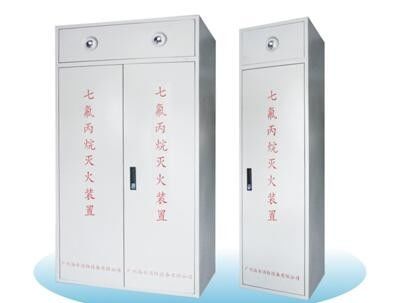
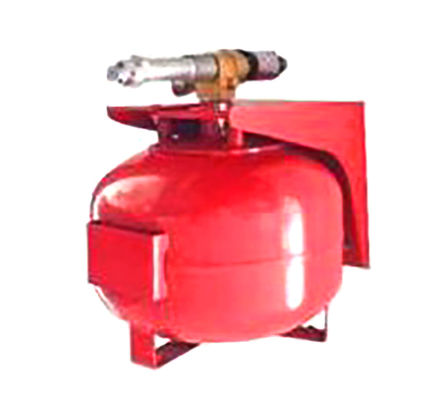
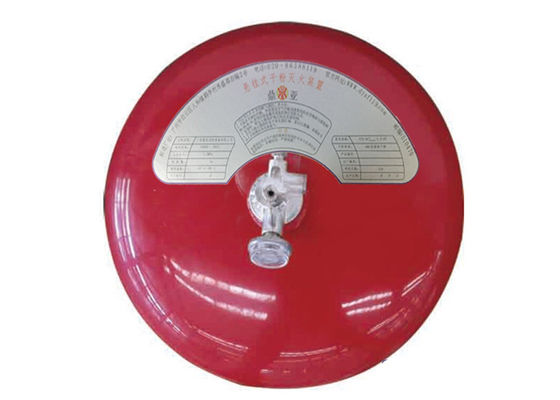
The cabinet heptafluoropropane system is an "independent and autonomous fire protection unit". It integrates the fire extinguishing agent storage bottle, sprinkler head and control system into one or more cabinets and directly places them in the protection area. Its advantages are convenient installation, plug and play, and it is especially suitable for independent small and medium-sized spaces (such as power distribution rooms, small computer rooms, archives), renovation projects or places that need rapid deployment. It does not need special bottle room and complex pipeline construction, the layout is flexible, the cabinet body can be increased or decreased according to the demand, and the daily maintenance is simpler and more intuitive. But the cabinet itself will take up a certain amount of ground space.
2. Solution: Scenario-based recommendation of the two major systems
Recommended scenarios for using a pipe network system:
Large space scale: The volume of the protection area usually exceeds 500 cubic meters, or although there are many divisions, linkage control is required.
Structural conditions allow: pipes have been reserved or can be laid in the pre-construction plan, pursuing permanent and stable fire protection solutions.
High requirements for beauty and unity: such as museums, libraries, high-end office buildings, etc., the equipment is required to be concealed without affecting the whole.
Core value: Realize uniform, fully submerged coverage and intelligent centralized management and control of fire extinguishing agents in large or complex spaces.
Recommended scenarios for using cabinet systems:
The space is independent and regular: the volume of the protective area is usually less than 500 cubic meters, and it is one or more independent confined spaces.
Quick and flexible deployment is required: such as fire protection renovation of old buildings, temporary computer rooms, or places that may be deployed in the future.
Budget and operation and maintenance considerations: Hope to control the initial installation cost, and pursue the simplicity and low cost of later maintenance.
Core Value: Provide fast, economical and flexible independent protection solutions to support modular expansion.
3. Common core advantages
Regardless of the choice of pipe network type or cabinet type, the heptafluoropropane fire extinguishing system has the following excellent values:
Efficient and rapid fire extinguishing: Quickly interrupt the combustion chain through chemical inhibition, and the fire extinguishing concentration is low. It can extinguish various electrical, flammable liquid and solid surface fires within 10-30 seconds.
Strong safety guarantee: no residual particles or liquids after extinguishing the fire, non-conductive, and zero secondary damage to protected objects such as precision electronic equipment and precious cultural relics archives. Significant environmental protection characteristics: the ozone depletion potential (ODP) is zero, and the global warming potential (GWP) is relatively low, which meets the requirements of international and domestic environmental protection regulations.
Intelligent linkage management and control: It can be seamlessly connected to the automatic fire system to realize functions such as remote monitoring, automatic start-up, fault self-inspection and pressure feedback, and improve management efficiency and reliability.
Complete standard certification: All products have passed the National Compulsory Product Certification (CCCF), and the system design complies with national standards such as the "Code for Design of Gas Fire Extinguishing Systems".
Summary: The Key to Scientific Decision-making
The choice of pipe network type or cabinet type is not a simple judgment of pros and cons, but a comprehensive decision based on the scale of the protection area, building structural conditions, project budget and construction period, operation and maintenance planning, and flexibility requirements.
For large-scale, complex scenarios that pursue permanence and centralized management, pipeline network systems are a more professional choice.
For small and medium-sized, independent scenarios that emphasize rapid deployment and economic flexibility, cabinet systems have more advantages.
Only through scientific evaluation and precise matching can the technical efficiency of the heptafluoropropane fire extinguishing system be maximized and the most reliable fire protection for your key assets be provided.